
The Role of Barrier Gate Systems in Securing Parking Areas
With increasing urbanization, securing parking areas is crucial. Barrier gate systems have become a popular solution for managing access and enhancing safety in parking facilities. As cities grow and parking demands rise, these systems are essential for protecting areas from unauthorized use and threats.
Understanding Barrier Gate Systems
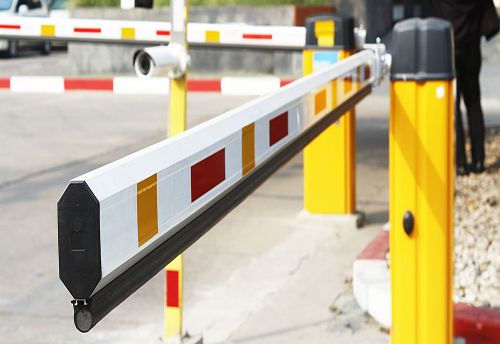
Barrier gate systems are mechanical devices that regulate vehicle access to specific areas. Typically installed at entry and exit points, these gates are designed to lower and raise in response to vehicles approaching. They can be operated manually or automatically and are often equipped with various technologies such as card readers, apps, or license plate recognition.
These systems are commonly used in several locations, including shopping malls, office parks, residential complexes, and public parking lots. By controlling who can enter and exit, barrier gate systems ensure that only authorized vehicles gain access, significantly reducing the risk of theft or vandalism.
The Benefits of Barrier Gate Systems
The implementation of barrier gate systems in parking areas provides multiple benefits. Here are some of the most significant advantages:
Enhanced Security
One of the primary purposes of barrier gates is to enhance security. By restricting access to authorized vehicles, these systems deter criminal activities like theft and vandalism. According to a study by the International Parking Institute, high-security parking areas experience up to 60% fewer thefts and related incidents compared to those without barriers.
Improved Traffic Flow
Traffic congestion can be a problem in busy parking areas. Barrier gate systems can help manage this flow by controlling how many vehicles can enter or exit at any given time. This regulation prevents bottlenecks and ensures that drivers spend less time searching for parking spaces, ultimately leading to a better overall experience.
Increased Revenue Opportunities
For businesses that charge for parking, barrier gate systems can streamline the payment process. Many systems can be integrated with payment solutions, enabling easier transaction management. This ensures that the facility operates efficiently and can maximize income from parking fees.
Functionality of Barrier Gate Systems
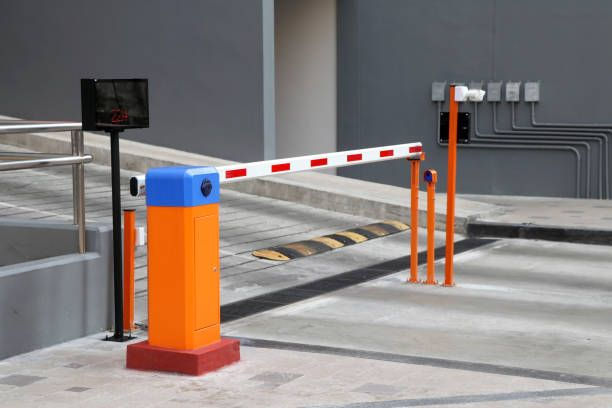
Barrier gate systems utilize a combination of hardware and software to achieve their goals. The main components include:
Barrier Arm – This is the physical gate that raises and lowers to allow or restrict access.
Control Panel – This unit operates the barrier gate and processes signals from various access control devices such as keycards, remote controls, or mobile apps.
Safety Sensors – These sensors detect vehicles or individuals near the barrier, preventing accidents.
Communication Interface – This allows integration with surveillance cameras and other security devices, enhancing the overall safety of the parking area.
When properly installed and maintained, barrier gate systems can function seamlessly, providing smooth access control while minimizing risks.
Real-World Applications of Barrier Gate Systems
Barrier gate systems have numerous applications across different industries. Here are a few examples:
Shopping Malls
In shopping malls, barrier gates manage the influx of vehicles while providing security. Malls typically have peak traffic times, and barrier systems can help regulate vehicle access to maintain smooth operations.
Corporate Offices
For corporate offices, barrier gate systems help ensure that only employees and authorized visitors can access the premises. This added security is essential for protecting sensitive information and maintaining a safe working environment.
Residential Communities
In gated residential communities, barrier gate systems are crucial for ensuring the safety of residents. They not only control access but also foster a sense of security and exclusivity among community members.
Choosing the Right Barrier Gate System
Selecting the appropriate barrier gate system depends on various factors. Here are some considerations to keep in mind:
Traffic Volume – Assess the expected volume of vehicle traffic. High-traffic areas may require more robust systems that can operate quickly and efficiently.
Security Features – Evaluate what security features are necessary for your location. Features like biometric readers or license plate recognition may be crucial in high-security areas.
Budget – Consider the budget for both installation and maintenance. Higher-end systems may be more expensive upfront but can save costs later through durability and reduced labor needs.
Customization – Look for systems that can be tailored to your specific needs, particularly if you have unique traffic or security requirements.
By carefully considering these factors, you can find a barrier gate system that not only meets your security needs but also enhances the overall operation of your parking facilities.
Future Trends in Barrier Gate Systems
As technology advances, barrier gate systems are likely to evolve. Some trends that are already emerging include:
Integration with Smart Technology – More systems are being designed with connectivity features, allowing users to control access through smartphones or computer applications. This adds convenience and makes managing access simpler.
Biometric Access Control – The use of biometric data, such as fingerprints or facial recognition, is becoming more common. This adds an extra layer of security by ensuring that only designated individuals can access certain areas.
Sustainability Features – Many new barrier gate systems are being developed with energy-efficient components and materials, aligning with today’s focus on sustainability.
With these trends, barrier gate systems will continue to play an integral role in enhancing security in parking areas and beyond.


Comments